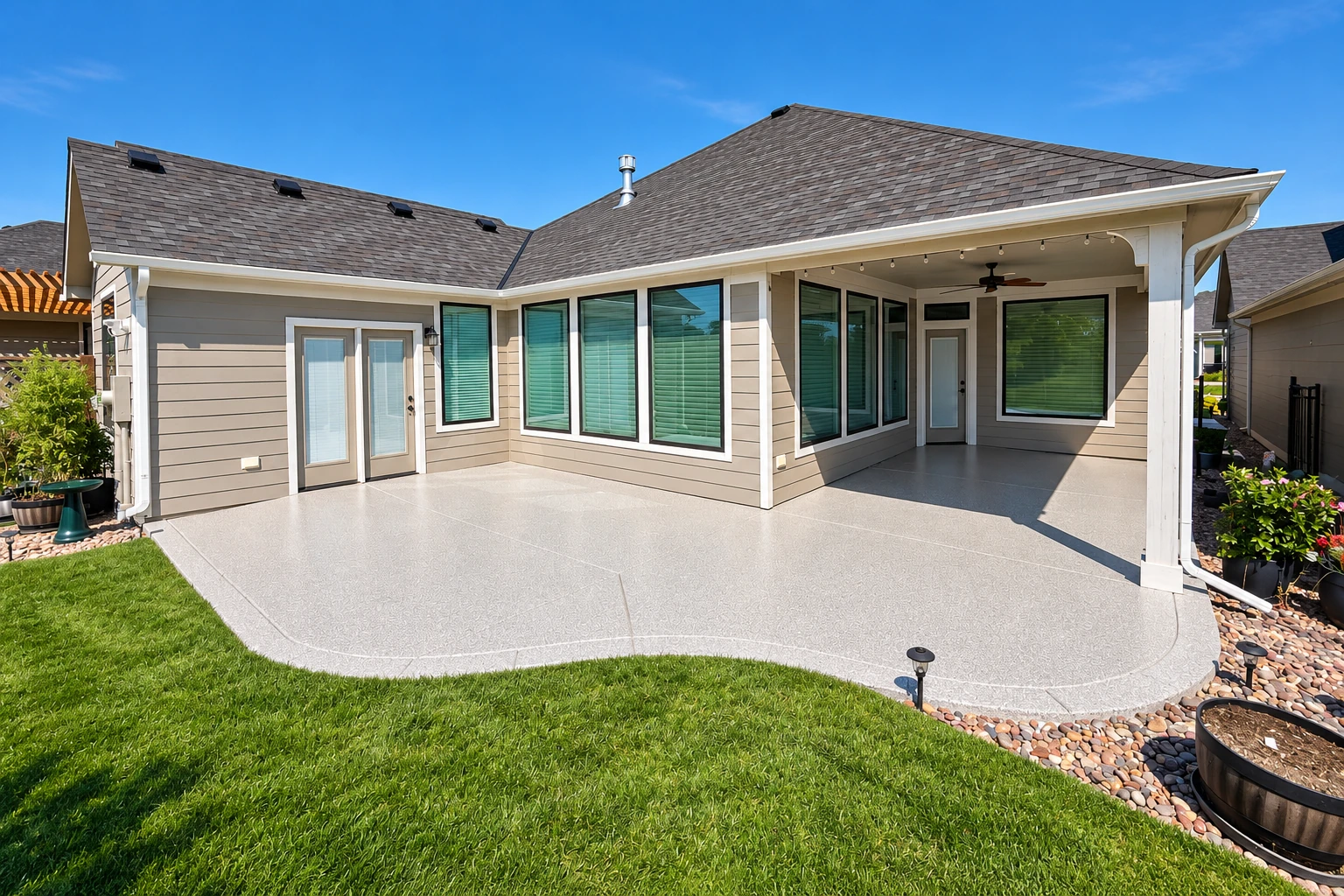
Concrete footings in Castle Rock CO - a solid base dug down to firm, undisturbed soil
Building a deck or addition, or watching a post sink? We set footings on firm ground that holds the weight above it.
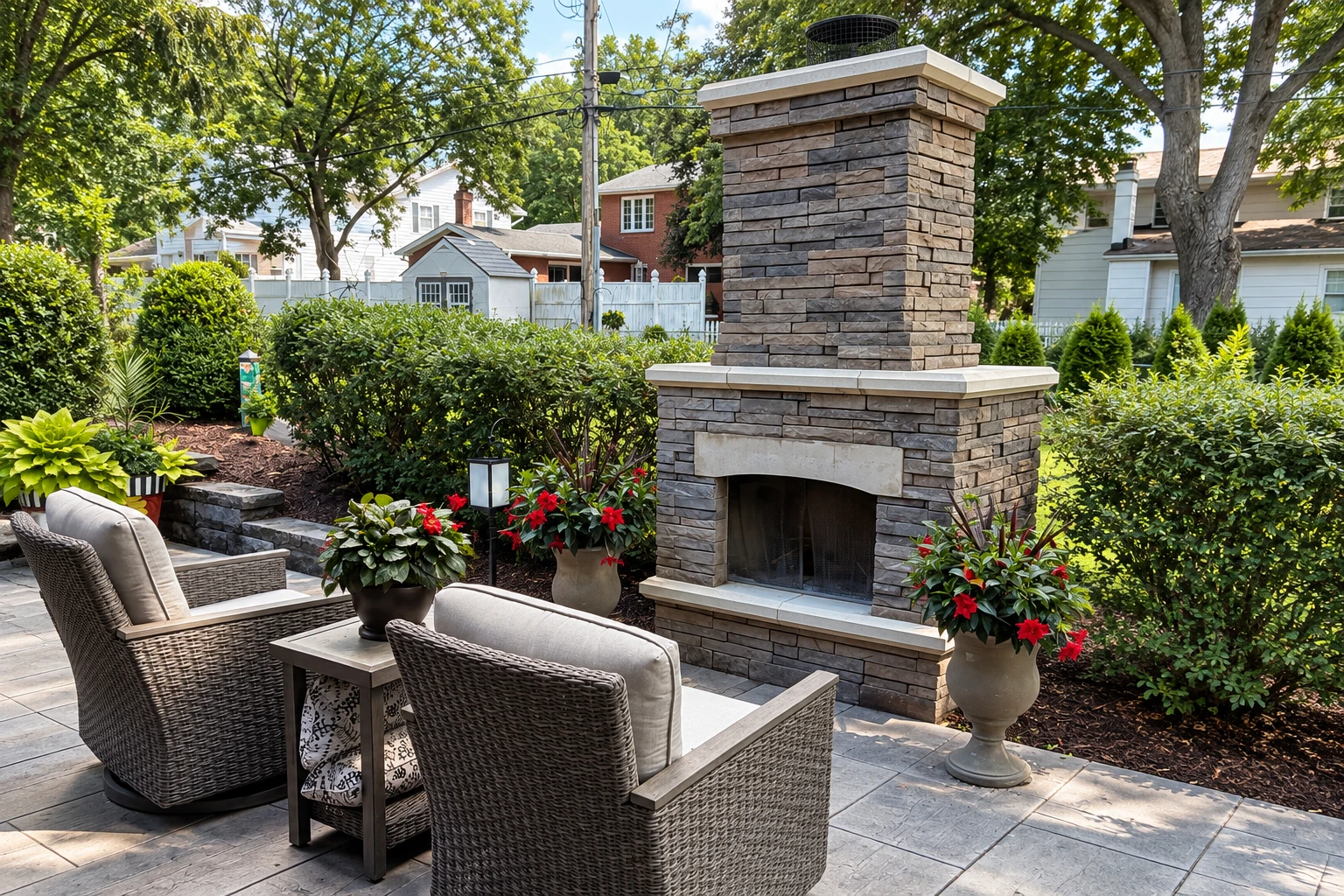
What goes into getting concrete footings right in Castle Rock?
Concrete footings are the poured bases that deck posts and house foundations rest on. At Prestige Castle Rock Concrete, we set footings in Castle Rock in firm, undisturbed soil below the reach of frost, so the structure above doesn't sink or shift.
Most calls start with a deck plan, an addition, or a post that's already leaning. The price moves with how many footings you need, how deep and wide they go, how hard the digging is, which footing type the plans call for and whether the job needs a soils report. The schedule depends less on digging than on what has to happen before it, like utility marks, any permit and the inspection before the pour. The estimate spells out what's included for your job. If the footings are part of a bigger build, our foundation installation work covers the walls that go on top.
How we build concrete footings
Footings have to go on firm, undisturbed ground, so we call 811 before anyone digs and lay out the holes around the marked utility lines. We also keep them away from septic tanks, leach fields and meters, which can move a post from where the plans drew it. Then we dig down to undisturbed soil, ground that's never been dug or filled. We clean the loose dirt out of the bottom instead of tamping it back in, because a footing sitting on loose fill settles right along with it. That hole bottom is the part nobody sees once it's poured, and it's the last place I'd cut to save money. If the inspector or a soil report changes the plan, we change with it. Then we form what needs forms, pour, and keep the concrete protected while it cures, the slow early hardening that gives it its strength, before anything gets built on top.
Footings often come with other work. If a post or an addition has to go where a patio or walk already sits, we use concrete cutting to open a clean square instead of breaking out the whole slab. If you're calling because a corner of the house has already dropped, we'll look at foundation raising first, since new footings next to a sinking wall won't fix the wall.
Footings, permits and soil in Castle Rock
Building permits in Castle Rock go through the Town of Castle Rock's Building Division, which answers questions on requirements and plan review. I won't guess from your driveway whether your footing job needs one. When a job does need a permit, we handle it with the office that covers your address, and if that isn't clear, we ask that office before anyone digs.
The ground around here is the other half of the job. A state geology study of north-central Douglas County found windblown soils that can collapse or settle when they get wet or loaded, and clay from the claystone bedrock that swells and heaves when it's wet. The state survey calls swelling soil a common and sometimes serious problem in Colorado. The damage can come on slowly and hit houses on the same street at different times. Where the building official expects soil that holds less weight than the deck guide allows, a soils investigation sets what it can carry, so that step can come before the pour. We run into the same soil questions on jobs in Castle Pines and Parker. We work across the cities around Castle Rock, so if yours isn't listed, call and ask.
How concrete footing jobs work
Call or send the form
Call (720) 676-1126 or use the form, and we'll set a time to come look at the job. Tell us what you're building so I know what to look for.
I measure and write it up
I come out, measure, and ask what's going on top and what's underneath, from old fill to the septic field. You get a written estimate that lists what's included, from the mix to the base work, so you can compare it line by line.
We handle permits and inspection
If the job needs a permit, we take care of it with the right office before work starts. Under the national deck guide, the building official checks the soil in the open holes before any concrete goes in, so we plan the pour around that visit.
Pour, finish and curing notes
Our crew forms, pours and finishes the footings once the holes pass. You get plain notes on curing and first winter care, so they get a good start before anything goes on top.
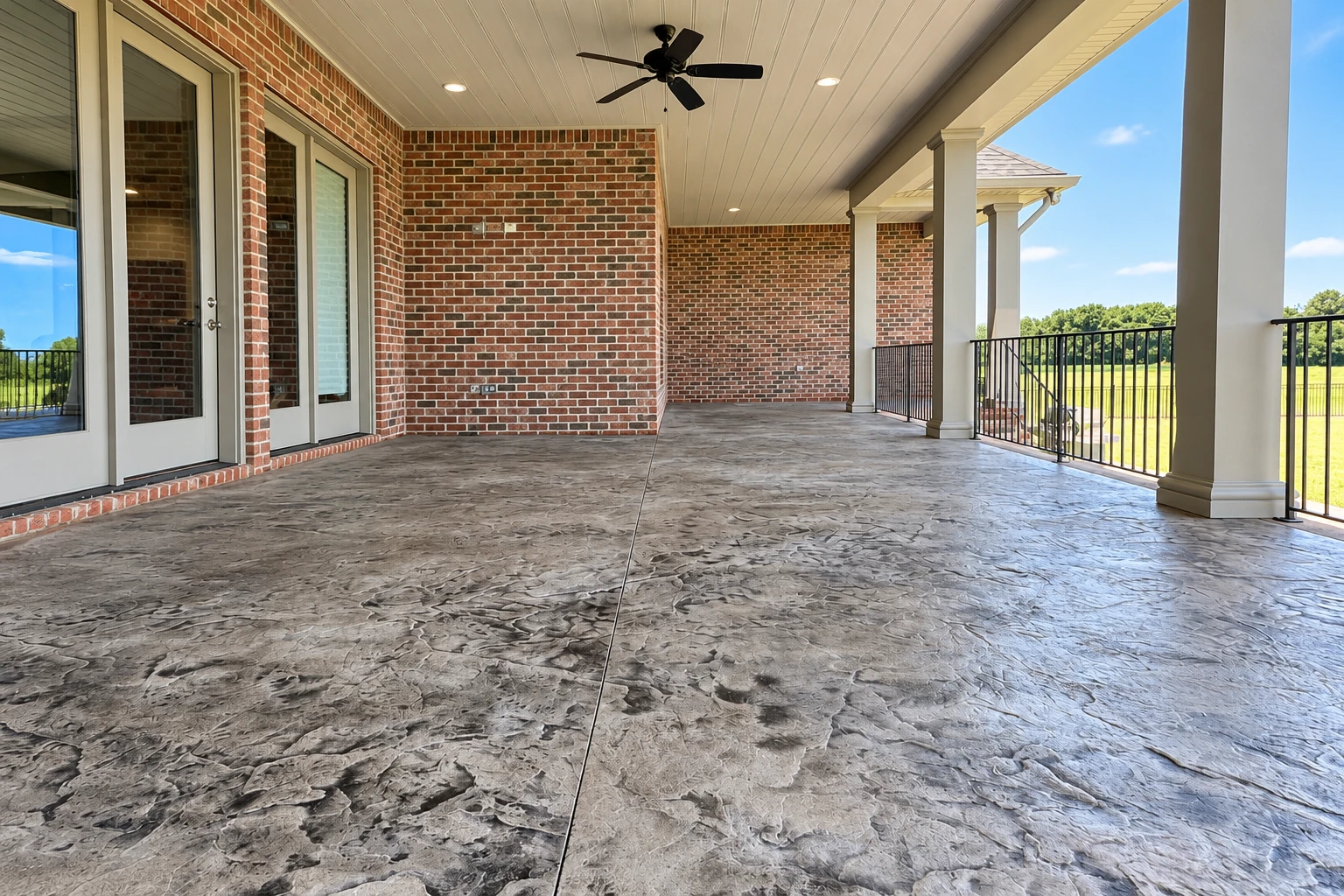
Get a free estimate for your deck or addition footings
We reply within one business day to set a time, and I come out to measure and look at the ground before I write anything up. The estimate is free, done on site and lists what's included. There's no pressure to book.
Questions before you book concrete footings
How do I find out how deep my footings need to be in Castle Rock?
You get the frost line from the local building authority. A national deck guide says footings should sit on undisturbed soil at least 12 inches below the ground surface or below that frost line, whichever is deeper. We confirm the depth with the office that covers your address before we lay out holes, so nobody's guessing with a shovel in hand.
Do deck footings close to my house need to go deeper?
Often, yes. The deck guide says footings closer than 5 feet to the house's foundation wall must bear at the same level as the house footing. That can mean digging deeper than the deck alone would need, so we plan for it at the estimate instead of finding out mid-dig.
How much do concrete footings cost in Castle Rock?
Residential strip footings, the continuous kind that runs under a wall, usually cost about $5 to $19 a linear foot across the US. That's the market's range, not our price. Depth, digging conditions, the footing type, the number of holes and any soils work all move your number. Our estimate lists what's included, from the mix to the base work.
Can I be my own contractor for footings in Castle Rock?
Yes. Castle Rock homeowners can act as their own contractor on residential additions, alterations and repairs, and the city requires a Homeowner Affidavit when you do your own work. The depth, the utility marks and the soil check before the pour still apply, so plan for them no matter who's holding the shovel.
Should my lot's soil be tested before footings go in?
Testing is the safer call. The Douglas County study mentioned above recommended a soil and rock investigation for each lot or building pad, with a test boring and swell testing at foundation and floor levels. If you already have a soils report from the builder or an earlier project, send it with your request and we'll build to it.
What is the best way to choose between a concrete pier and a post set in concrete?
For most decks, a concrete stem, the short pier a post sits on, is the simpler choice. The deck guide says a post set fully in concrete that has to resist sideways loads must be designed to a set standard, and that adds design work. The guide offers both: the stem uses less concrete, and the set-in post sits on a gravel base that lets water drain. I'll go with whatever your plans or the inspector call for.
Why Castle Rock homeowners call Prestige Castle Rock Concrete for footings
I measure and run the pour
I come out for the estimate myself, and I run the pour while our crew handles the prep, forming and finishing. The person who saw your ground is the one making the calls on pour day.
Footings learned on my dad's crews
I grew up pouring flatwork, the driveways and walks, and footings on my dad's crews, and I started this business in Castle Rock in 2023 to run jobs my own way. That's why the base and the cure get more of my attention than how things look on pour day.
Licensed, insured and easy to check
We're licensed and insured. The city requires a contractor to be licensed, insured and registered with it before applying for a permit, and you can check a contractor's registration through the city before you sign.
A footing is only as good as the dirt under it, so the first step is a look at your ground. Request your estimate or call (720) 676-1126.
Work that often goes with footings
Foundation raising
If part of your house or an old slab has already dropped because the soil under it moved, raising it level again may come before new work.
Concrete cutting
When a new footing has to go through an existing slab or walk, a clean saw cut opens the spot without cracking the concrete around it.
Plan your deck or addition footings with us
Have your project type, rough footing spots and any soils report handy when you call (720) 676-1126 or send the form, and we can talk through the job on that first call.